
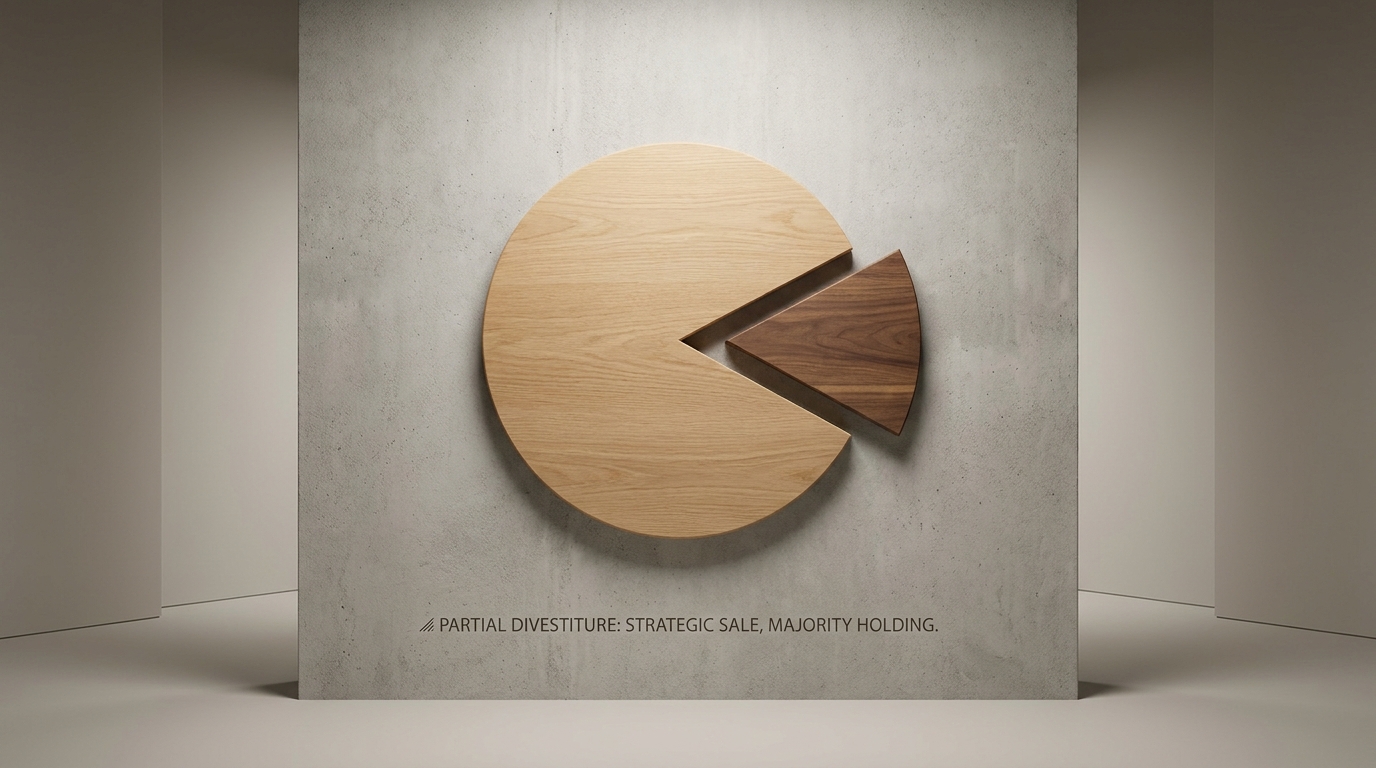
Partial vs. Full Sale: Should You Sell All Your Payments?
When a financial crisis strikes, the reliable, periodic payments of a structured settlement can suddenly feel like a straightjacket. Whether you are facing mounting medical bills, the threat of foreclosure, or you finally have the opportunity to purchase a home, waiting months or years for your next check is often not an option.
Many settlement holders assume that turning their annuity into an immediate lump sum is an “all or nothing” decision. They believe they must surrender their entire financial future to get out of a current hardship. However, this is a dangerous misconception. The structured settlement secondary market offers highly flexible options tailored to your specific liquidity needs.
As a Wealth Management Planner and Consumer Advocate, my priority is ensuring that you protect your long-term wealth while effectively managing immediate liabilities. Before you sign away your financial safety net, you must understand the profound differences between a partial settlement buyout and a full buyout. Here is a comprehensive guide to navigating your options.
The Full Buyout: Liquidating Your Entire Settlement
A “Full Purchase” or full buyout is exactly what it sounds like: you are selling the legal right to every single remaining payment in your structured settlement to a factoring company in exchange for one large, immediate lump sum. Once the judge approves the transfer and the funds are wired to you, your relationship with the annuity issuer ends. You will never receive another payment.
The Pros of a Full Sale:
-
Maximum Liquidity: You receive the largest possible lump sum available to you, which can be life-changing if you are starting a business or making a massive, one-time investment.
-
Total Control: You sever ties with the structured payout schedule, placing the entirety of your capital under your immediate control.
The Cons of a Full Sale:
-
Loss of Long-Term Security: The original purpose of a structured settlement is to provide a guaranteed, tax-free financial floor for your life. A full sale permanently destroys this safety net.
-
The Risk of Depletion: Statistical data and consumer advocacy studies frequently show that without the discipline of periodic payments, many individuals deplete their lump sums prematurely, leaving them financially vulnerable in their later years.
-
Maximum Discount Rate Impact: Because you are selling payments that stretch decades into the future, the time value of money severely reduces the present value of those distant payments. The factoring company applies a discount rate to your entire portfolio, costing you thousands of dollars in long-term wealth.
The Partial Purchase: Strategic Liquidity
If you are requesting a financial hardship settlement advance to solve a specific problem, a “Partial Purchase” is almost always the superior wealth-management strategy. A partial sale allows you to sell only a specific portion of your payments to generate the exact lump sum you need, leaving the rest of your annuity completely untouched.
There are generally two ways to structure a partial sale:
-
Selling a Specific Time Period: This is the most common approach. For example, if you need $30,000 today to pay off high-interest credit card debt, you can sell just your monthly payments for the next three years. You get the cash now, you pay off your debt, and once that three-year period is over, your regular monthly payments automatically resume as if nothing ever happened.
-
Selling a Slice of Each Payment: Alternatively, if you receive $2,000 a month, you could sell $800 of each payment for a set period. You receive a lump sum today while continuing to receive a reduced monthly check of $1,200 to cover your basic living expenses.
The Pros of a Partial Sale:
-
Preserved Financial Security: You solve your immediate crisis without sacrificing your future stability.
-
Targeted Funding: You only sell exactly what you need. If your medical bills total $20,000, you structure the sale to yield exactly $20,000.
-
Lower Discount Rate Penalty: Because you are typically selling the payments that are closest to the present date, the total discount rate impact is smaller, meaning you surrender less of your wealth relative to a full buyout.
Balancing Immediate Hardship with Future Stability
When deciding whether to sell part of my structured settlement or liquidate the entire asset, you must adopt a macro-level view of your financial health.
If you are utilizing selling future payments for cash to prevent an immediate catastrophe—such as saving your primary residence from foreclosure—the transaction is justified. However, solving a short-term crisis should not create a long-term disaster.
Consider this scenario: You owe $40,000 in medical debt. If you execute a full buyout and receive $150,000, you will pay off the debt and have $110,000 left over. While having $110,000 in cash feels incredibly empowering, if you lack a secondary source of reliable income or disciplined investment strategies, that money can vanish rapidly. By executing a partial sale instead, you generate the exact $40,000 needed to eliminate the medical debt, while keeping the remaining $110,000 safely locked in the annuity to provide you with guaranteed income for years to come.
Key Questions to Ask Before You Sell
Before accepting an offer from a factoring company, ask yourself these crucial wealth-management questions:
-
What is the exact dollar amount I need to survive this hardship? Never sell more than this specific number.
-
Will I still be able to pay my monthly rent/mortgage without my settlement checks? If you rely on your settlement for daily survival, a full buyout will likely lead to homelessness or severe poverty down the line. A partial “slice” sale is far safer.
-
Have I shopped the discount rate? Whether you choose a partial or full sale, always get quotes from at least three different buyers to force competitive bidding.
The decision between lump sum vs periodic payments should not be driven by panic. The court system requires a judge to approve your transaction precisely to ensure the sale is in your best interest. Judges heavily favor partial sales over full buyouts because they demonstrate that the seller is making a measured, responsible decision rather than impulsively cashing out their entire future. Protect your tomorrow while fixing your today.
Financial Disclaimer: The information provided in this article is for educational and informational purposes only. It does not constitute financial, legal, or tax advice. Selling a structured settlement is a major financial decision that permanently alters your future income. Always consult with an independent financial advisor, actuary, or attorney before signing a contract with a factoring company.